Our Life: Now & Forever Romance & Relationships Guide
Dynamics with Qiu and Tamarack, pacing, polyamory, and emotional fallout.
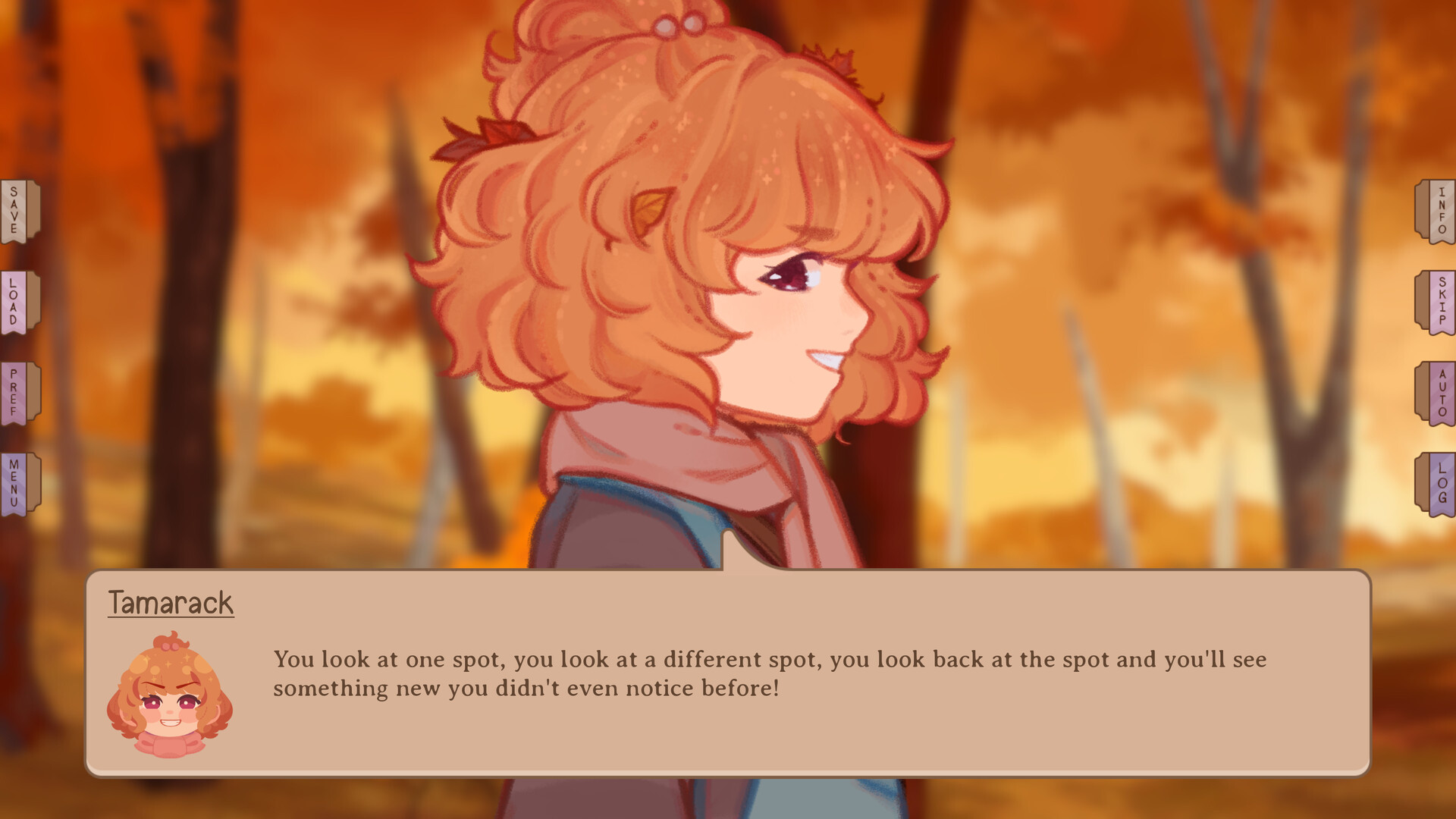
Our Life: Now & Forever treats romance as something you grow—not a single confession flag. You live next door to Tamarack Baumann and Qiu “Autumn” Lin for years of story time, and the game asks you to set how you behave toward each of them. This guide explains Dynamic meters, pacing from love-at-first-sight to last-minute confessions, friendship-first paths, polyamory support, jealousy-adjacent consequences, and how Moments reinforce (or undermine) the relationship you think you are building.
Read Getting Started if you have not installed yet, and skim the Moments System so you understand why order and Linked forks change relationship texture.
The two leads at a glance
Tamarack Baumann (she/her)
A fellow newcomer who arrived about a week before you. Warm, nature-obsessed, and always changing—sometimes into painful branches she has to unlearn. Romance with Tamarack often feels like choosing to walk into the woods with someone who might get you both scratched and laughing. She exclusively uses she/her pronouns. Full profile: Tamarack.
Qiu “Autumn” Lin (they/he)
A Golden Grove local, popular and charming until the pressure turns cold and they shut almost everyone out. Healing takes real support; later, Qiu shines again with clearer self-knowledge. Assigned male at birth, Qiu comes out as genderfluid (they/he) partway through the story. Pronunciation note from the developers: “Qiu” is said like “Cho.” Full profile: Qiu.
You can focus on one lead, care deeply about both, stay friends, drift apart, or build a polyamorous relationship. Fondness is not gated behind a single “correct” personality—how you feel and how you behave drive closeness.
Dynamic meters
Dynamic meters broadly describe how you behave toward a lead. Think of them as relationship posture rather than a hidden 0–100 love score alone:
- You choose a dynamic that fits how you act (supportive, teasing, distant, protective, playful, and other postures the UI presents).
- You can keep a dynamic consistent across years or switch as you grow—mirroring real adolescence.
- Each lead develops a custom dynamic toward you based on who you are and what happens in Moments.
Practical tips:
- Pick a dynamic you can role-play. If you set a soft caretaker dynamic then only choose cruel dialogue, the story will still track choices, but your immersion will crack.
- Expect asymmetry. Qiu’s dynamic toward you may not mirror Tamarack’s. That tension is content, not a bug.
- Revisit after major Steps. EA launches with ages 10 and 14; the jump from childhood crush energy to teen complexity is exactly when many players adjust Dynamics.
Pacing: slow burn, love at first sight, and everything between
Official marketing calls out the freedom to decide how quickly bonds develop. Common pacing archetypes:
| Pacing | Feel | Player habits |
|---|---|---|
| Love at first sight | Immediate spark language and priority | Early affectionate choices; seek their Moments first |
| Slow burn | Years of trust before romance labels | Platonic support first; confess later |
| Friends forever | Deep bond without romance | Consistent care; decline romantic framing |
| Late confession | History-heavy payoff | High investment, delayed labels |
| Uneven / messy | Crush on one, complicated on the other | Branching saves recommended |
Because Moments are selectable, you control exposure. Spending every childhood Moment reinforcing one lead accelerates emotional intimacy with them—even if you never click an explicit romance option yet. Linked Moments that change who is present also nudge history. See the Demo Guide for Walks/Wheels as a training pair.
Polyamory support
OLNF explicitly allows being fond of both leads, including a polyamorous relationship option. That does not mean every scene becomes a triad CG on demand. It means:
- The design space includes caring for both without forcing a hard exclusive lock at every beat.
- You still negotiate time, honesty, and Dynamic posture through choices.
- Some Moments spotlight one person; others put the trio in shared space where attention is a resource.
Poly tips:
- Keep saves before major exclusivity-flavored choices until you know how a build handles them.
- Do not starve one lead of Moments if you want a balanced poly history—the story remembers who showed up.
- Read character pages so you understand how Qiu’s need for trust and Tamarack’s changing self-image interact when both are close to you.
Jealousy, distance, and hurt feelings
The game is sentimental, not conflict-free. Expect:
- Cold periods, especially around Qiu’s arc when popularity curdles into withdrawal.
- Wrong branches for Tamarack—choices that feel fun short-term and costly later.
- Trio friction: Qiu and Tamarack often butt heads (local planner energy vs nature-first stubbornness). Siding repeatedly can color how safe each person feels with you.
- Jealousy-adjacent fallout when you prioritize dates, secrets, or Linked paths that leave someone out—without needing a cartoon jealousy meter flashing on screen.
Healthy-play advice: if a scene hurts, that may be intended character work. Reload if you are exploring; sit with it if you are committing to a canon file.
Friendship, family, and the wider town
Romance is only one axis. You also shape ties with your mom, peers, parents, teachers, and neighborhood figures—the “is the stoic elder scary or adopted grandpa?” fantasy. Those bonds contextualize romance: a protagonist with a stable home base approaches teen dating differently than one who leans entirely on neighbors for belonging. Explore cast context under the Players hub.
Multi-save strategy for relationship explorers
- Canon file — the dynamic and pacing you actually want.
- Opposite-lead file — swap priority Moments and Dynamics.
- Poly file — deliberate dual investment.
- Platonic file — maximum friendship, minimum romance framing.
Label saves with Step, Moment order notes, and Dynamic keywords. EA’s length (huge Step 1–2 scripts) makes organization worth it.
How systems feed romance
- Character creator identity (pronouns, presentation) sets how the world addresses you; it does not replace Dynamics. Guide: Character Creator.
- Moments / Linked Moments create the shared memories romance speeches reference. Guide: Moments System.
- DLC Moments add more shared history and callbacks for $5.99 Step packs—optional depth, not a romance paywall.
- Series context from Beginnings & Always explains why GB Patch leans on player-driven pacing. Comparison: OLNF vs OLBA.
Where to go next
- Guides Hub for the full tutorial map.
- Demo Guide to practice relationship forks cheaply.
- Early Access and roadmap for when adult Steps and Wedding content arrive.
- Tools and Links for installs and official channels.
There is no single correct Golden Grove love story—only the one your Dynamics, Moments, and honesty create.
Frequently Asked Questions
Quick answers about Golden Grove, Early Access, and relationships.
Can I romance both Tamarack and Qiu?
Yes. You can focus on one lead or be fond of both, including a polyamorous relationship option. Shared history still depends on which Moments you prioritize.
What are Dynamic meters?
They describe how you behave toward a lead—your relationship posture. You can keep a dynamic consistent or change it as you grow; each lead also develops a custom dynamic toward you.
Can I stay friends instead of dating?
Yes. Friendships can range from casual company to irreplaceable family. Romance pacing is player-driven, including never escalating beyond platonic love.
Does childhood affection lock my teen route?
Early Moments build history, but Dynamics can shift across years. Still, heavy childhood investment makes later distance feel earned—and harder emotionally.
Will jealousy ruin a poly playthrough?
Expect complicated feelings and trio friction in places, but the design supports caring for both. Use backup saves around major priority choices if you want to explore outcomes.